
Syndica BPC157 & TB500 40mg
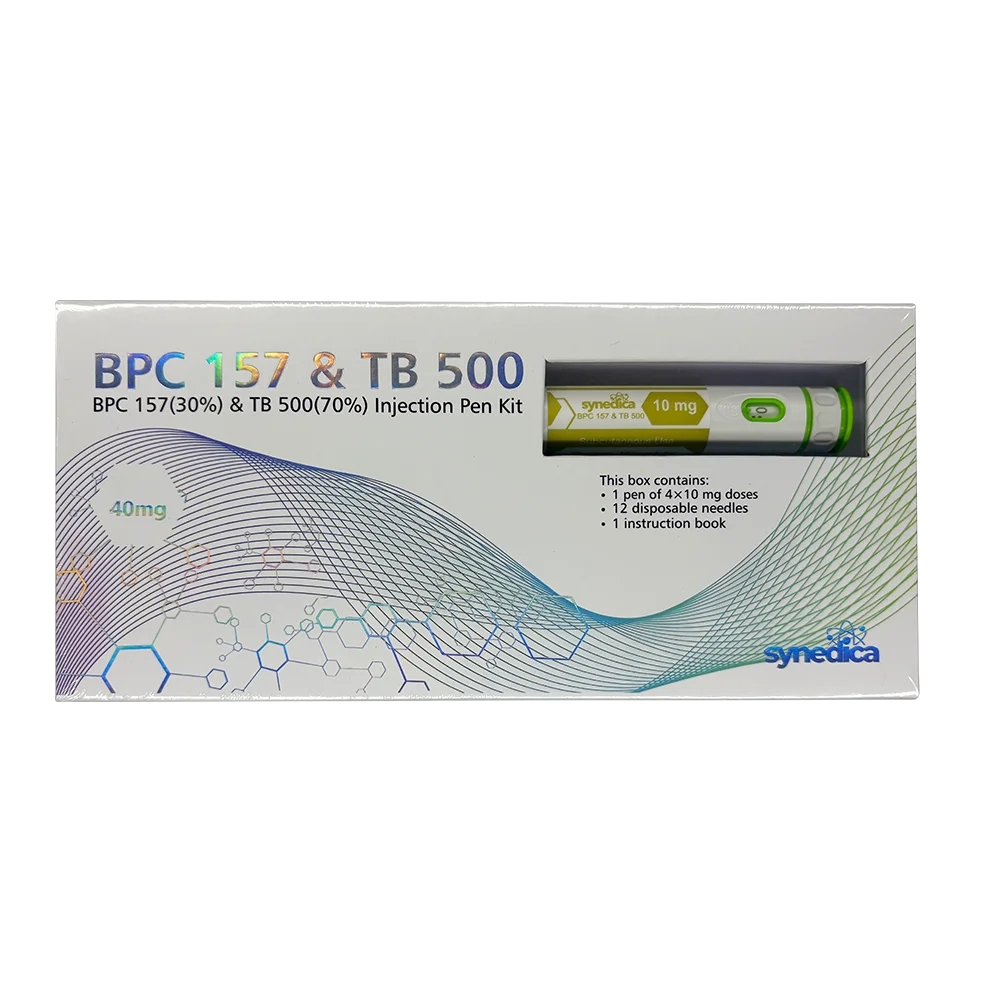
Syndica BPC157 & TB500 40mg. A dual-peptide research kit for sophisticated laboratory investigations in tissue repair, recuperation, and regenerative medicine is the Synedica BPC-157 & TB-500 40mg Pen. It is not authorized for ingestion by humans or animals and is only meant for research and development.
Synedica BPC-157 & TB-500 40mg Pen Overview
- Producer: Synedica Laboratories
- The goal is to investigate peptide-based treatments for angiogenesis, cellular regeneration, and healing.
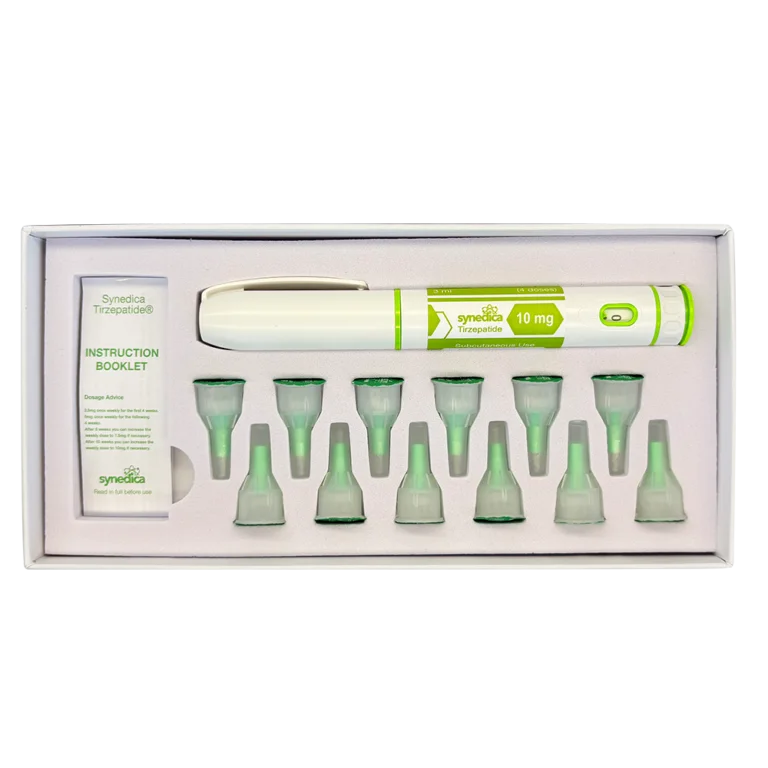
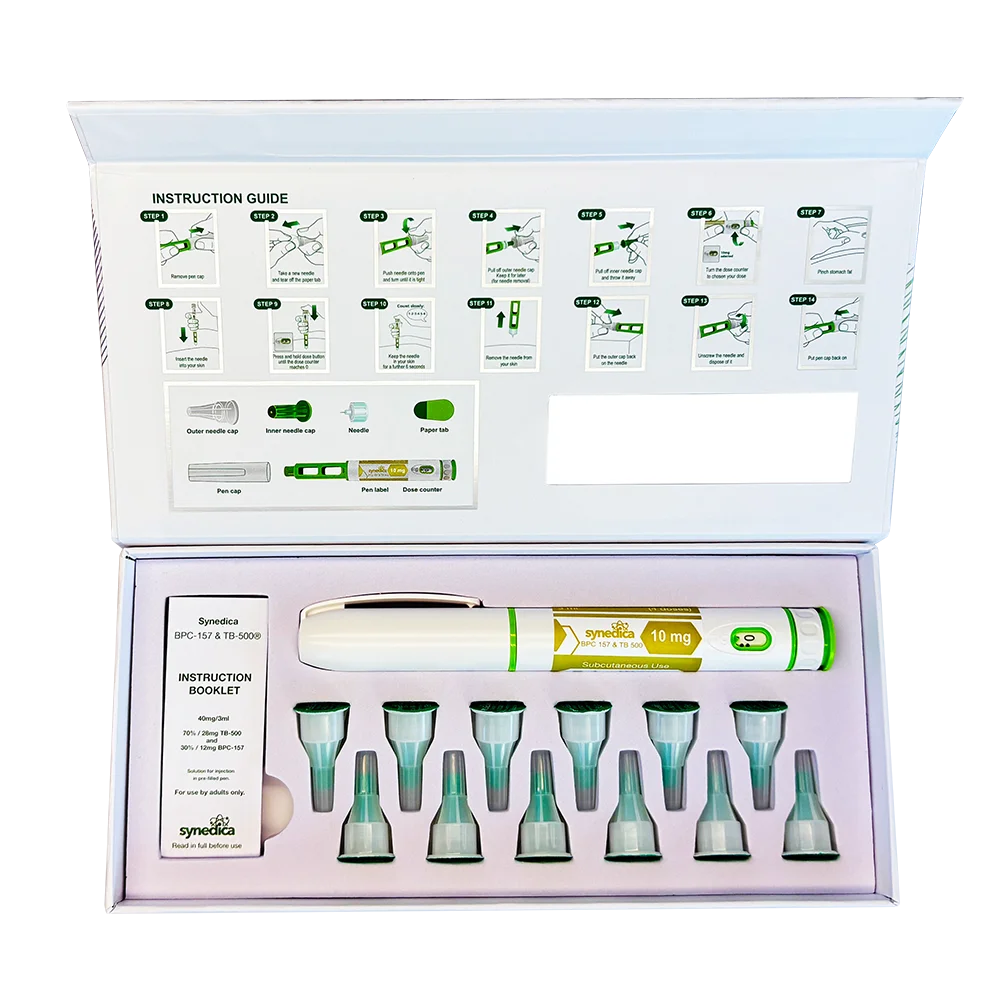
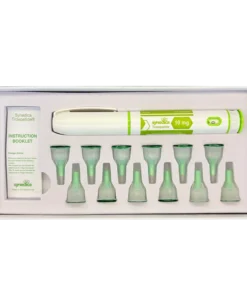
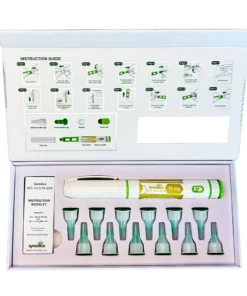
- Contents: One injectable pen with a 40 mg capacity, twelve disposable needles, and an instruction manual are included in each kit.
- Dosage Options: The pen offers four complete doses of 10 mg each, with variable dosing increments of 2.5 mg, 5 mg, 7.5 mg, or 10 mg.
Mechanism of Action
Two thoroughly researched peptides are combined in this dual formulation:
- BPC-157 (Body Protection Compound-157):
- Derived from a natural gastric peptide.
- Promotes angiogenesis (formation of new blood vessels).
- Enhances tendon, ligament, and muscle repair.
- May protect against oxidative stress and inflammation.
- TB-500 (Thymosin Beta-4 fragment):
- A synthetic peptide modeled on thymosin beta-4.
- Facilitates cell migration and differentiation.
- Improves wound healing and tissue regeneration.
- Supports actin regulation, crucial for cellular structure and repair.
These peptides work in concert to produce a synergistic impact, which makes the combination very useful for studies on quicker recovery and repair.
Applications of Research
For controlled laboratory research, the Synedica BPC-157 & TB-500 40 mg Pen was created. Important uses consist of:
- Tissue Repair Studies: Investigating the healing of muscles, ligaments, and tendons.
- Researching the creation of new blood vessels is known as angiogenesis.
- Investigating the effects of peptides on cell migration and differentiation is known as cellular regeneration.
- Testing for oxidative stress: Evaluating defense mechanisms against cellular damage.
- Formulation Development: Bioavailability, stability, and solubility tests.
- Encapsulation Studies: Assessing microsphere or liposomal delivery methods.
Results of the Research
Preclinical research has revealed encouraging outcomes:
- BPC-157 has demonstrated protection against gastric lesions and faster tendon-to-bone repair.
- In muscle injury models, TB-500 has shown better wound closure and recovery.
- This dual-pen is a useful research tool for regenerative medicine since its combined use may result in quicker recovery times and increased tissue resilience.
Be the first to review “Syndica BPC157 & TB500 40mg”
Related products
Synedica Retatrutide
Alluvi Retatrutide
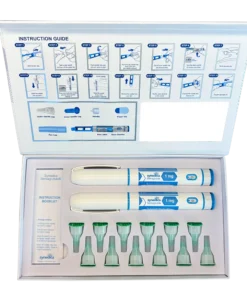
Synedica Retatrutide
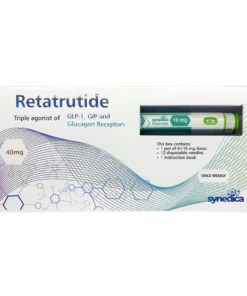

Synedica Retatrutide
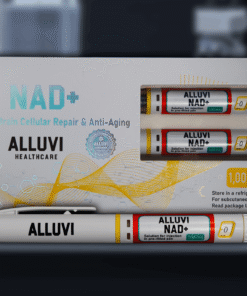
Alluvi Retatrutide
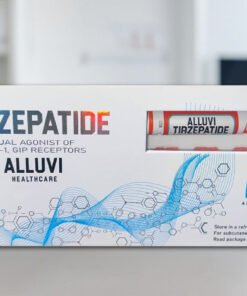
Alluvi Retatrutide
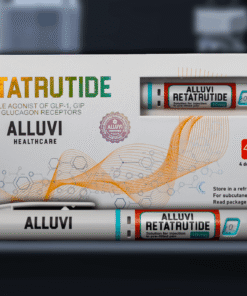
Alluvi Retatrutide
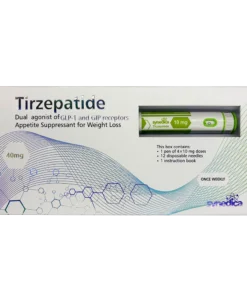
Synedica Retatrutide
Reviews
There are no reviews yet.