
Synedica Retatrutide | Synedica Retatrutide Buy
Synedica Retatrutide, Synedica Retatrutide Buy The experimental “triple agonist” medication Retatrutide (LY3437943) from Synedica targets the GLP-1, GIP, and glucagon receptors at the same time. Although it is not yet FDA-approved, early Phase 2 trials indicate exceptional weight loss results—up to 24% average reduction at the highest dose—making it one of the most promising potential treatments for obesity and type 2 diabetes.
Synedica Retatrutide | What Is Retatrutide?
- Eli Lilly is the developer; Synedica and other collaborators conducted the research.
- Mechanism: Three receptor pathways are activated by the synthetic peptide retatrutide.
- GLP‑1 (glucagon-like peptide-1): Promotes satiety and reduces food intake.
- GIP (Glucose-dependent insulinotropic polypeptide): Enhances insulin secretion and complements GLP‑1 effects.
- Glucagon receptor: Increases energy expenditure, thermogenesis, and fat breakdown.
- Structure: a C20 fatty acid chain and a 29-amino acid backbone provide a longer half-life (~6 days), enabling a once-weekly dosage.
Synedica Retatrutide | Results of Clinical Trials
Phase 2 trials (NCT04881357) examined weekly doses ranging from 1 mg to 12 mg for 48 weeks:
- 1 mg: a mean weight loss of about 8.7%
- 4 mg: approximately 17.1%
- 8 mg: approximately 22.8%
- 12 mg: ~24.2% (26% of subjects lost at least 30% of their body weight)
These outcomes outperform the top medications available today:
- Semaglutide (Wegovy): weight loss of about 15% on average
- Tirzepatide (Mounjaro/Zepbound): average weight decrease of about 21%
Possible Indicators
- Treatment for obesity: Particularly for individuals who are extremely obese and unresponsive to lifestyle modifications.
- Managing type 2 diabetes: Lowers body weight and enhances glycemic control.
- Prospects for the future: Like other incretin medicines, it may extend to diabetic renal disease and cardiovascular risk reduction.
Benefits
- Better efficacy: More weight loss compared to current GLP-1 or dual agonists.
- Patients will find once-weekly dosing convenient.
- Compared to GLP-1-only medications, the triple mechanism may lessen gastrointestinal adverse effects.
- Metabolic improvements: Increases fat metabolism and energy expenditure.
Risks & Considerations
- FDA-approved as of yet; anticipated market launch in 2026.
- Similar to other incretin medications, nausea, vomiting, and gastrointestinal distress were side effects noted in trials.
- Uncertain long-term safety: Further information on the effects on the liver and heart is required.
- Contraindications: Probably comparable to GLP-1 medications (e.g., history of pancreatitis or medullary thyroid cancer).
Important Lessons
- Retatrutide is a promising therapy option for diabetes and obesity, demonstrating weight loss levels that were previously believed to be unachievable with medicine alone.
- It is still under investigation and is not yet available to patients outside of clinical studies.
- Comparatively, it outperforms tirzepatide and semaglutide in preliminary research, possibly establishing a new benchmark for metabolic therapy.
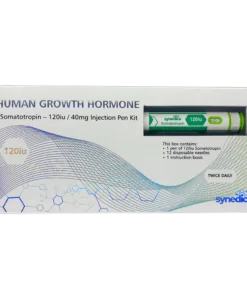
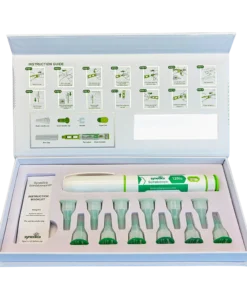
Synedica Retatrutide
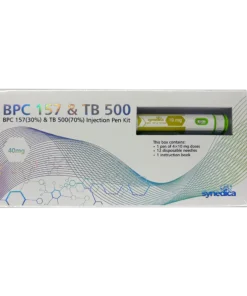
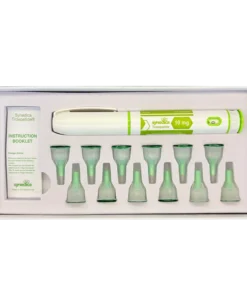
Synedica Retatrutide
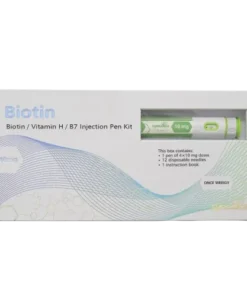

Synedica Retatrutide
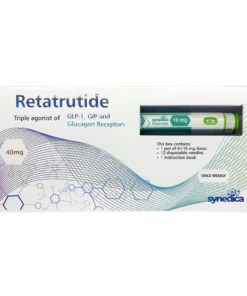

Synedica Retatrutide
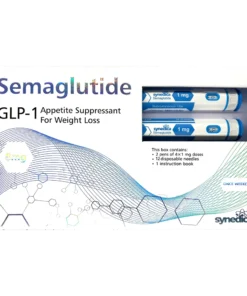
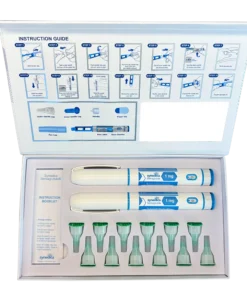
Synedica Retatrutide
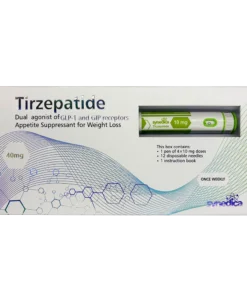
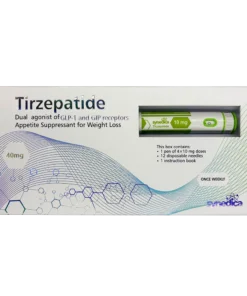
Synedica Retatrutide
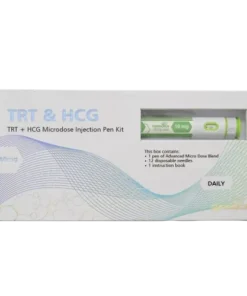
Synedica Retatrutide